
How to Treat Gum Disease: Expert Care in Etobicoke
May 28, 2026
Cosmetic Dentistry Services in Etobicoke | Transform Your Smile
May 28, 2026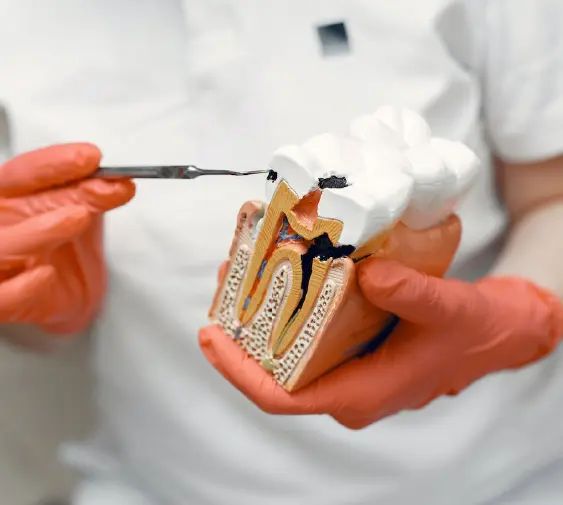
7 Warning Signs You Need a Root Canal Treatment
Understanding when your tooth is sending distress signals can save you from serious complications
Let’s be honest: when most people hear “root canal,” they immediately think of pain and discomfort. But here’s what many don’t realize—a root canal doesn’t cause pain; it relieves it. This common dental procedure is actually your ticket to getting rid of the severe toothache that’s been disrupting your life.
At Sherway Trillium Dental, we’ve seen countless patients who waited too long to address their symptoms, thinking the pain would just go away on its own. Spoiler alert: it won’t. In fact, delaying treatment only makes things worse. That’s why we’re breaking down the seven most common warning signs that your tooth needs professional attention.
Think you might need a root canal? You’re not alone, and you’re definitely in the right place. Let’s talk about what your teeth are trying to tell you.
What Exactly Is a Root Canal?
Before we jump into the symptoms, let’s clear up what this procedure actually involves. Inside each of your teeth, beneath the hard protective layers of enamel and dentin, there’s soft tissue called the pulp. This pulp houses the tooth’s nerves and blood vessels—basically, it’s the tooth’s life support system.
When bacteria sneak into this inner chamber (usually through a deep cavity, crack, or trauma), the pulp becomes infected and inflamed. That’s when the real trouble starts, and that throbbing pain kicks in. A root canal treatment removes this infected pulp, thoroughly cleans the inside of the tooth, and seals it back up to prevent future problems.
The goal? Save your natural tooth from extraction and get you out of pain. It’s a win-win situation when you think about it.
The 7 Warning Signs You Shouldn’t Ignore
Your body has a way of letting you know when something’s wrong. When it comes to dental infections, these signals are pretty hard to miss. Here are the seven telltale signs that you might need root canal therapy:
1. Persistent, Severe Tooth Pain
This isn’t your run-of-the-mill sensitivity—we’re talking about deep, throbbing pain that just won’t quit. The kind that wakes you up at night or makes it impossible to focus during the day. This pain might come and go, but it keeps returning with a vengeance. When a tooth hurts this intensely, it’s usually because the nerve inside is damaged or infected.
Don’t try to tough it out or rely on painkillers long-term. If you’re dealing with constant tooth pain, it’s time to see our dental specialists for a proper diagnosis.
2. Prolonged Sensitivity to Heat or Cold
Sure, lots of people have sensitive teeth. But here’s the difference: normal sensitivity disappears within a few seconds. If you take a sip of hot coffee or bite into ice cream and the sharp, shooting pain lingers for 30 seconds or longer, that’s a red flag.
This extended sensitivity often means the nerve inside your tooth is compromised. The pain might feel like it’s radiating deep into the tooth and jawbone. If this sounds familiar, you’ll want to schedule an appointment at our Etobicoke dental clinic sooner rather than later.
3. Pain When Chewing or Applying Pressure
Does biting down on food feel like you’re chomping on a live wire? If touching or applying pressure to a specific tooth causes significant pain, it’s often a sign that the infection has spread beyond the tooth’s interior to the surrounding ligaments and bone.
This type of pain when chewing is your body’s way of protecting the affected area. It’s telling you something serious is happening below the surface, and it needs professional attention from our experienced team who specialize in general dentistry.
4. A Pimple-Like Bump on Your Gums
Ever noticed a small, recurring bump near a painful tooth? That’s not something to brush off. This pimple-like growth (called a fistula or dental abscess) is actually your body’s attempt to drain the infection. It’s filled with pus, and sometimes you might even notice a bad taste in your mouth or persistent bad breath.
This is one of the most definitive signs that you need immediate dental care. An abscess means the infection is active and trying to spread. Don’t wait on this one—contact us right away for emergency dental care.
5. Swollen or Tender Gums
Even without a visible bump, you might notice the gum tissue around a tooth looking puffy, red, or feeling tender when you touch it. The area might feel warm or look shiny. Sometimes the swelling comes and goes, but it keeps returning.
This swelling indicates that the infection inside your tooth is affecting the surrounding tissues. It’s your body’s inflammatory response kicking into gear. At Sherway Trillium Dental, we also offer specialized periodontics and gum health services to address these concerns comprehensively.
6. Tooth Discoloration
Has one of your teeth started looking darker than the others? Maybe it’s taken on a grayish or brownish tint? This color change happens when the infection cuts off the blood supply to the tooth, essentially causing the pulp inside to die.
While tooth discoloration can have other causes (like certain medications or trauma), when it’s accompanied by pain or other symptoms on this list, it’s a strong indicator that root canal therapy is needed. After treatment, we can discuss cosmetic dentistry options to restore your tooth’s natural appearance.
7. A Cracked or Chipped Tooth
Did you bite down on something hard and hear a crack? Or maybe you’ve had a dental injury from sports or an accident? Even if it doesn’t hurt right away, a significant crack or chip can create a highway for bacteria to reach your tooth’s pulp.
If you have a damaged tooth that’s also causing you pain or sensitivity, there’s a good chance the inner pulp has been exposed or infected. The sooner you get it checked out, the better your chances of saving the tooth.
What Happens If You Ignore These Signs?
Here’s the thing about dental infections: they don’t just disappear on their own. Ignoring the warning signs might give you temporary relief when the nerve dies, but the infection keeps spreading. And trust us, you don’t want that.
Left untreated, an infected tooth can lead to:
- Abscess formation with severe swelling and pain
- Bone loss around the tooth’s root
- Infection spread to other teeth and surrounding tissues
- Tooth loss, requiring extraction and teeth replacement options like implants or bridges
- Systemic health issues if the infection enters your bloodstream
The bottom line? Early intervention saves you time, money, and a whole lot of discomfort. At Sherway Trillium Dental, we offer same-day appointments and emergency walk-ins because we understand that dental pain can’t wait.
The Root Canal Process: What to Expect
We get it—dental anxiety is real, especially when it comes to root canals. But modern dentistry has come a long way. Here’s what actually happens during the procedure:
Step 1: Diagnosis and X-Rays
First, we’ll take detailed images to see exactly what’s going on inside your tooth and determine the extent of the infection.
Step 2: Anesthesia
We’ll numb the area completely so you won’t feel any pain during the procedure. For patients with dental anxiety, we also offer nitrous oxide (laughing gas) for added comfort.
Step 3: Removing the Infection
We carefully remove the infected pulp, clean out all the canals inside your tooth, and disinfect the area thoroughly.
Step 4: Sealing the Tooth
The cleaned canals are filled with a biocompatible material and sealed to prevent future infections.
Step 5: Restoration
In most cases, you’ll need a crown to protect the treated tooth and restore its full strength and function. Our team will discuss the best restoration option for your specific situation.
Most root canal treatments are completed in one or two appointments, with each visit lasting about 60 to 90 minutes. You’ll be able to return to your normal activities the same day.
Busting Common Root Canal Myths
Let’s set the record straight on a few misconceptions:
Myth: “Root canals are extremely painful.”
Fact: The infection is what’s painful—not the treatment. Root canal therapy is performed under local anesthesia, so you shouldn’t feel pain during the procedure. Most patients report that it feels similar to getting a filling.
Myth: “It’s better to just pull the tooth.”
Fact: Saving your natural tooth is almost always the best option. Root canals have a 95% success rate, and the treated tooth can last a lifetime with proper care. Extraction leads to additional complications and costs down the road.
Myth: “Root canal treatment takes multiple lengthy appointments.”
Fact: Many root canals can be completed in a single visit. Complex cases might require two appointments, but we work efficiently to get you in and out as quickly as possible.
Preventing Future Root Canal Needs
While not all root canals are preventable (accidents happen!), you can significantly reduce your risk by:
- Brushing twice daily and flossing every day
- Visiting our Etobicoke dental office for regular checkups and cleanings
- Addressing cavities promptly before they reach the tooth’s pulp
- Wearing a mouthguard during sports activities
- Avoiding chewing on hard objects like ice or popcorn kernels
- Managing teeth grinding with a custom nightguard if needed
Remember, preventive care is always easier and less expensive than emergency treatment. We welcome families of all ages, including specialized pediatric dentistry to establish good oral health habits early.
Frequently Asked Questions About Root Canals
How much does a root canal cost?
The cost varies depending on which tooth is affected and the complexity of the case. Front teeth are typically less expensive than molars. Most dental insurance plans cover a significant portion of root canal treatment. At Sherway Trillium Dental, we offer direct insurance billing to make the process easier for you, and we’re happy to discuss payment options during your consultation.
Can I drive myself home after a root canal?
Yes, absolutely! Since we use local anesthesia (not general anesthesia), you’ll be fully alert and able to drive. If you choose nitrous oxide for added relaxation, its effects wear off quickly, and you’ll still be fine to drive yourself home.
How long is the recovery time?
Most patients experience minimal discomfort after the anesthesia wears off. Any tenderness is typically mild and can be managed with over-the-counter pain medication. You should be able to return to work or school the same day. Complete healing of the surrounding tissues takes a few weeks, but you’ll feel significantly better almost immediately.
Will I always need a crown after a root canal?
In most cases, yes. After a root canal, the tooth becomes more brittle because it no longer has its blood supply. A crown protects the tooth from fracturing and restores its full function. Front teeth sometimes can be restored with just a filling, but back teeth that do the heavy chewing almost always need a crown for long-term success.
What if I’m pregnant—can I still get a root canal?
Yes, root canal treatment is safe during pregnancy, especially if you’re experiencing pain or an active infection. We’ll work with you and your physician to ensure the safest approach. It’s actually more dangerous to leave an infection untreated during pregnancy than to have it properly treated.
How successful are root canals?
Root canal treatments have an excellent success rate of about 95%. With proper care and a quality restoration, your treated tooth can last the rest of your life. The key is following through with the recommended crown placement and maintaining good oral hygiene.
Ready to Get Out of Pain?
If you’re experiencing any of these seven warning signs, don’t put off getting help. Tooth pain isn’t something you should have to live with, and the sooner you address it, the better the outcome will be.
At Sherway Trillium Dental, our experienced team has helped countless Etobicoke families find relief from dental pain through expert root canal therapy. We use advanced techniques, modern technology like iTero scanning, and a gentle approach to make sure you’re comfortable from start to finish.
We know dental emergencies don’t follow a schedule, which is why we accept same-day appointments and emergency walk-ins. Plus, with free validated parking and convenient hours, getting the care you need has never been easier.
Don’t Suffer in Silence
Tooth pain is your body’s alarm system telling you something needs attention. Whether you’re dealing with persistent toothache, sensitivity, swelling, or any other concerning symptoms, our friendly team is here to help.
Book your appointment online or call our office today. Let’s work together to save your tooth, relieve your pain, and get you back to smiling with confidence.
Your smile deserves the best care, and at Sherway Trillium Dental, that’s exactly what you’ll get. We combine expertise with compassion to deliver personalized dental solutions for every member of your family. From routine checkups to complex procedures, we’re your trusted partner in oral health.
Remember: when it comes to dental infections, time matters. The signs are there for a reason—don’t ignore them. We’re here to help you every step of the way.