
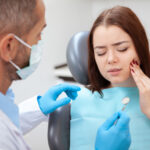
Dental Emergency Guide: When to Seek Professional Help
June 12, 2026
Why Regular Dental Checkups Are Essential for Your Health
May 28, 2026
Emergency Dental Care Guide: Steps to Take When You Need Urgent Help
A dental emergency can happen at any moment. Maybe you bite into something hard and feel a tooth crack. Perhaps your child takes a fall on the playground and knocks out a front tooth. Or you wake up at 3 a.m. with a toothache so severe it brings tears to your eyes. In every one of these situations, knowing what to do next can mean the difference between saving a tooth and losing it. This guide covers the most common dental emergencies, the immediate steps you should take, and how emergency dental care in Etobicoke at Sherway Trillium Dental can help you get out of pain and back to your life.
What Counts as a Dental Emergency?
Not every dental problem requires an after-hours phone call, but some situations absolutely can’t wait until your next scheduled checkup. A true dental emergency is any oral health issue that involves severe pain, uncontrolled bleeding, risk of permanent tooth loss, or a possible infection that could spread.
Here are the most common situations that qualify as urgent:
- Severe or persistent toothache that doesn’t respond to over-the-counter pain relief
- A knocked-out (avulsed) tooth from trauma or an accident
- A cracked, chipped, or broken tooth especially if it exposes the inner pulp
- A lost filling, crown, or dental restoration leaving the tooth vulnerable
- Swollen jaw or facial swelling that may indicate an abscess
- Uncontrollable bleeding from the gums or mouth after an injury
- Broken orthodontic wires or brackets that are cutting into soft tissue
- A dental abscess presenting as a pimple-like bump on the gums
If you’re unsure whether your situation counts as an emergency, it’s always better to call. At Sherway Trillium Dental, our team can assess your symptoms over the phone and advise whether you need same-day emergency dental services or if the issue can be addressed at a scheduled appointment.
Step-by-Step: What to Do for Common Dental Emergencies
When an emergency strikes, your first instinct might be to panic. That’s completely normal. But staying calm and following the right steps can drastically improve the outcome. Below, you’ll find specific guidance for the emergencies patients ask us about most often.
Severe Toothache
A sudden, intense toothache is your body’s alarm system telling you something is wrong. The pain might be caused by deep decay, an infection reaching the tooth’s nerve, a cracked tooth, or even gum disease pressing on the root.
What to do right away:
- Rinse your mouth gently with warm salt water (half a teaspoon of salt in eight ounces of water) to reduce bacteria and ease inflammation.
- Floss carefully around the painful tooth to remove any trapped food that could be causing pressure.
- Take an over-the-counter pain reliever such as ibuprofen. Never place aspirin directly against the gum tissue, as it can cause chemical burns.
- Apply a cold compress to the outside of your cheek for 15 minutes on, 15 minutes off.
- Call your dentist. A toothache that lasts more than a day or two often signals a problem that requires professional treatment, such as a root canal procedure or a deep filling.
Knocked-Out Tooth
Time is the most critical factor when a permanent tooth gets knocked out. If you act within 30 minutes, there’s a strong chance the tooth can be replanted and saved.
What to do right away:
- Pick up the tooth by the crown (the white chewing surface) only. Never touch the root.
- If the tooth is dirty, rinse it briefly under cold water for no more than 10 seconds. Don’t scrub it or remove any tissue fragments.
- Try to gently place the tooth back into its socket. If it slides in, hold it there by biting down on a clean cloth.
- If you can’t reinsert it, place the tooth in a small container of cold milk, saline solution, or your own saliva. Don’t store it in water.
- Get to your emergency dentist immediately. Every minute counts.
Baby teeth that get knocked out are typically not reimplanted, but it’s still important to visit a pediatric dentist to make sure no fragments remain in the gum and to evaluate the developing permanent tooth beneath.
Chipped, Cracked, or Broken Tooth
The severity of a fractured tooth varies widely. A small cosmetic chip might not hurt at all, while a deep crack that exposes the nerve can cause excruciating pain and significant infection risk.
What to do right away:
- Rinse your mouth with warm water to clean the area.
- If you can find the broken piece, save it in a damp cloth or container of milk.
- Cover any sharp edges with dental wax, sugarless gum, or a small piece of gauze to protect your tongue and cheeks.
- Apply a cold compress to reduce swelling.
- See your dentist as soon as possible. Depending on the fracture, treatment might involve bonding, a cosmetic dental restoration, a crown, or in severe cases, a root canal followed by a crown.
Lost Filling or Crown
A filling or crown that falls off exposes the underlying tooth structure, which is often weakened and highly sensitive. Without protection, the tooth can deteriorate quickly or become infected.
What to do right away:
- Keep the crown if you have it. You can temporarily reattach it using over-the-counter dental cement or denture adhesive (not household glue).
- If the exposed area is sensitive, apply clove oil with a cotton swab for temporary pain relief.
- Avoid chewing on that side of your mouth.
- Schedule a dental visit within a day or two. Your dentist can recement the crown or create a new one to protect the tooth from further damage.
Dental Abscess or Facial Swelling
An abscess is a pocket of pus caused by a bacterial infection. It can form at the tip of a tooth root or in the gums. Abscesses don’t resolve on their own, and in rare cases the infection can spread to the jaw, head, neck, or even the bloodstream, becoming life-threatening.
Warning signs to watch for:
- A persistent, throbbing toothache that radiates to the jaw, ear, or neck
- Fever or general feeling of being unwell
- Swelling in the face, cheek, or under the jaw
- A foul taste in the mouth or sudden burst of salty fluid
- A small, pimple-like bump on the gum near the affected tooth
What to do right away:
- Rinse gently with a mild salt water solution several times a day to draw the infection toward the surface.
- Take over-the-counter pain medication to manage discomfort.
- Do not attempt to pop or drain the abscess yourself.
- Contact your dentist urgently. Treatment typically involves draining the abscess, prescribing antibiotics, and addressing the source of the infection through a root canal treatment or, in some cases, dental surgery such as extraction.
Broken Orthodontic Appliance
A poking wire or loose bracket from braces can cause painful sores on the inside of your cheeks and gums. While it’s usually not a life-threatening emergency, it needs prompt attention to prevent tissue damage and keep your orthodontic treatment progressing properly.
What to do right away:
- Use the eraser end of a pencil to gently push a poking wire into a more comfortable position.
- Cover the sharp end with orthodontic wax, a cotton ball, or a small piece of gauze.
- Don’t cut the wire yourself, as you could accidentally swallow or inhale a small piece.
- Call your orthodontist or dentist to schedule a repair appointment.
What Happens During an Emergency Dental Visit
If you’ve never had an emergency dental appointment, it’s natural to feel nervous about what’s ahead. Here’s how the visit typically unfolds at our Etobicoke clinic:
1. Assessment and Diagnosis
Your dentist will examine the affected area, ask about your symptoms and how the injury occurred, and take digital X-rays if needed. This helps identify the exact problem, whether it’s a fracture, infection, or something else entirely.
2. Pain Management
Getting you comfortable is the first priority. Depending on the situation, your dentist may apply a local anesthetic, prescribe medication, or offer nitrous oxide (laughing gas) to ease anxiety and discomfort.
3. Immediate Treatment
The specific treatment depends on the diagnosis. It could range from placing a temporary filling or re-cementing a crown to performing an emergency root canal or draining an abscess. The goal is to stabilize the situation and relieve your pain.
4. Follow-Up Plan
Before you leave, your dentist will outline any follow-up care needed, prescribe medications if appropriate, and schedule a return visit. Some emergencies require multi-step treatment, such as a temporary restoration followed by a permanent crown.
How to Prevent Dental Emergencies Before They Happen
While you can’t predict every accident, many dental emergencies are preventable with the right habits and regular professional care. Here’s what our dental team recommends:
Stay Consistent with Routine Checkups
Visiting your dentist every six months for general dentistry checkups and cleanings is one of the most effective ways to catch problems before they turn into emergencies. During these appointments, your dentist can identify early signs of decay, weakened fillings, gum disease, and other issues that might lead to sudden pain down the road.
Commit to a Solid Home Care Routine
Brushing twice a day with fluoride toothpaste and flossing daily removes the plaque and bacteria that cause cavities and gum disease. These two conditions are behind a significant percentage of dental emergencies.
Oral hygiene best practices:
- Brush for a full two minutes, covering all surfaces of every tooth
- Replace your toothbrush every three to four months (or when bristles fray)
- Use an antimicrobial or fluoride mouthwash for extra protection
- Clean between teeth daily with floss, interdental brushes, or a water flosser
Protect Your Teeth During Sports and Physical Activity
Custom-fitted mouthguards are essential for anyone playing contact sports, martial arts, or even recreational activities like skateboarding and mountain biking. A properly made mouthguard absorbs impact and can prevent knocked-out teeth, fractures, and soft tissue injuries. Ask your dentist about getting a custom mouthguard that fits better and offers superior protection compared to store-bought options.
Watch What You Eat
Chewing on ice, hard candy, popcorn kernels, or using your teeth as tools (opening bottles, tearing packaging) puts enormous stress on your teeth and existing restorations. These habits are among the top causes of cracked teeth and broken fillings.
Don’t Ignore Early Warning Signs
A small cavity doesn’t hurt. A tiny crack might only cause occasional sensitivity. But left untreated, both can progress to the point where they become full-blown emergencies. If you notice any of the following, book an appointment sooner rather than later:
- Sensitivity to hot, cold, or sweet foods and drinks
- Bleeding or swollen gums (a sign of gum health issues that need attention)
- A tooth that feels loose or shifts when you bite
- Persistent bad breath or an unpleasant taste in your mouth
- Visible dark spots, holes, or rough edges on a tooth
The Connection Between Dental Emergencies and Your Overall Oral Health
Emergency dental problems rarely appear out of nowhere. In most cases, they’re the end result of an underlying issue that went unaddressed. Understanding these connections can help you take a more proactive approach to your dental care.
Untreated Cavities Can Lead to Root Canal Emergencies
A cavity starts as a small area of enamel breakdown. Without treatment, the decay progresses deeper into the tooth until it reaches the pulp, which contains the nerve and blood supply. At that point, you’ll likely experience sharp pain, swelling, and possibly an abscess. The root canal procedure removes the infected pulp, cleans the inner canals, and seals the tooth to save it. Catching the cavity early with a simple filling avoids this entire chain of events.
Gum Disease Makes Teeth Vulnerable
Periodontal (gum) disease weakens the bone and connective tissue that hold your teeth in place. Advanced gum disease is actually the leading cause of tooth loss in adults. Teeth with compromised support are more likely to crack, shift, or fall out, turning a chronic condition into an acute emergency. Regular periodontic care and gum health treatments keep this risk under control.
Missing Teeth Create a Domino Effect
When a tooth is lost and not replaced, the surrounding teeth gradually shift to fill the gap. This changes your bite alignment, increases stress on remaining teeth, and makes certain teeth more prone to fracture. If you’ve already lost a tooth, exploring tooth replacement options like implants, bridges, or dentures isn’t just about aesthetics; it’s about preventing future emergencies.
Dental Care Tips for Every Stage of Life
Emergency prevention looks a little different depending on your age and dental situation. Here’s a quick guide tailored to different members of your family.
Children and Teens
Kids are naturally active and prone to falls, collisions, and sports injuries. Starting pediatric dentistry visits early (by age one or when the first tooth erupts) helps establish healthy habits and catch developmental issues. For teens involved in sports, custom mouthguards are a smart investment. And if your child or teen needs braces or Invisalign treatment, consistent care of their appliance reduces the risk of orthodontic emergencies.
Adults
Between work, family obligations, and everything else on your plate, it’s easy to put off dental visits. But this is the stage of life where old fillings may start failing, gum disease often progresses silently, and stress-related teeth grinding (bruxism) takes its toll. Don’t skip your biannual checkups, and talk to your dentist if you grind your teeth at night, as a night guard can prevent cracked teeth.
Seniors
Aging naturally changes your oral health. Dry mouth (a side effect of many medications) increases cavity risk, gum recession exposes vulnerable root surfaces, and existing dental work may need replacement. Seniors should stay especially diligent about dental visits and discuss any changes in their health or medications with their dentist.
Why Choosing the Right Emergency Dentist Matters
When you’re in pain, you want a dental team that’s both skilled and compassionate. Here’s what sets a great emergency dental practice apart:
- Same-day availability: Emergencies don’t wait, and neither should you. Look for a clinic that offers same-day emergency appointments and walk-in availability.
- Comprehensive services under one roof: The best emergency dentists can handle everything from temporary fixes to complex procedures like root canals, extractions, and oral surgery without sending you elsewhere.
- Comfort options: Pain and anxiety go hand in hand during emergencies. Nitrous oxide, sedation options, and a genuinely caring team make the experience much more manageable.
- Modern diagnostic technology: Digital X-rays and advanced imaging help your dentist pinpoint the problem accurately and plan the most effective treatment.
- Transparent communication: A trustworthy dentist explains what’s happening, outlines your treatment options, and gives you a clear understanding of costs before proceeding.
At Sherway Trillium Dental, we’ve built our Etobicoke practice around these principles. We offer same-day emergency appointments, free consultations for Invisalign, braces, and implants, direct insurance billing, and nitrous oxide for comfort. Our goal is to make emergency dental care as stress-free as possible so you can focus on healing.
After the Emergency: Restoring Your Smile
Once the acute problem is handled, you may need follow-up treatment to fully restore the affected tooth or area. Here are some common next steps:
- Dental crowns: If a tooth was severely fractured or required a root canal, a crown protects and strengthens the remaining structure.
- Cosmetic bonding or veneers: For chipped or discolored front teeth, cosmetic dental solutions can restore your smile’s appearance.
- Dental implants or bridges: If a tooth couldn’t be saved, teeth replacement options fill the gap and prevent the surrounding teeth from shifting.
- Periodontal treatment: If gum disease contributed to the emergency, ongoing gum health treatment protects against future problems.
- Orthodontic care: If misalignment is causing repeated issues like tooth fractures or uneven wear, orthodontic treatment can correct the underlying problem.
Frequently Asked Questions About Dental Emergencies
How often should I visit the dentist for checkups?
Most dental professionals recommend visiting the dentist every six months for routine checkups and cleanings. However, patients with gum disease, a history of cavities, or ongoing dental treatments may need appointments every three to four months. Regular visits allow your dentist to catch issues early and keep your oral health on track. Sherway Trillium Dental makes scheduling easy with flexible appointment times and direct insurance billing.
What are the signs that I might need a root canal?
Common signs you may need a root canal include persistent or throbbing tooth pain, prolonged sensitivity to hot or cold foods, darkening or discoloration of a tooth, swelling or tenderness in the gums near a specific tooth, and a small pimple-like bump on the gum. If you experience any of these symptoms, contact your dentist promptly for an evaluation. A root canal removes the infection and saves your natural tooth, which is almost always preferable to extraction.
What should I expect during Invisalign treatment?
Invisalign treatment begins with a consultation and digital scan of your teeth. You’ll receive a series of custom clear aligners that gradually shift your teeth into proper alignment. Each set of aligners is worn for about one to two weeks before switching to the next. Most patients complete treatment in 6 to 18 months, depending on the complexity of their case. The aligners are removable, so you can eat, drink, brush, and floss normally. You should wear them 20 to 22 hours per day for the best results.
What are my options for replacing missing teeth?
The three most common tooth replacement options are dental implants, dental bridges, and dentures. Dental implants are titanium posts surgically placed into the jawbone that act as permanent artificial tooth roots, topped with a lifelike crown. Dental bridges use adjacent teeth as anchors to hold a prosthetic tooth in place. Dentures are removable appliances that replace several or all teeth. Your dentist will help you choose the best option based on your oral health, bone density, budget, and personal preferences.
Need an Emergency Dentist in Etobicoke?
At Sherway Trillium Dental, we’re here for you when it matters most. Whether you’re dealing with a severe toothache, a broken tooth, or any other urgent dental issue, our caring team provides same-day emergency appointments to get you out of pain fast.
Don’t wait for a small problem to become a big one. Call us at (416) 621-7777 or book your appointment online today.Book Your Appointment Now


